A watch is the only piece of jewellery most men will ever wear. That makes it disproportionately powerful — a single object that communicates taste, intention, and attention to detail before you've said a word.
But wearing a watch well isn't about following rules. It's about understanding the principles behind them, so you can bend them with confidence.
The Foundation: One Watch, Many Lives
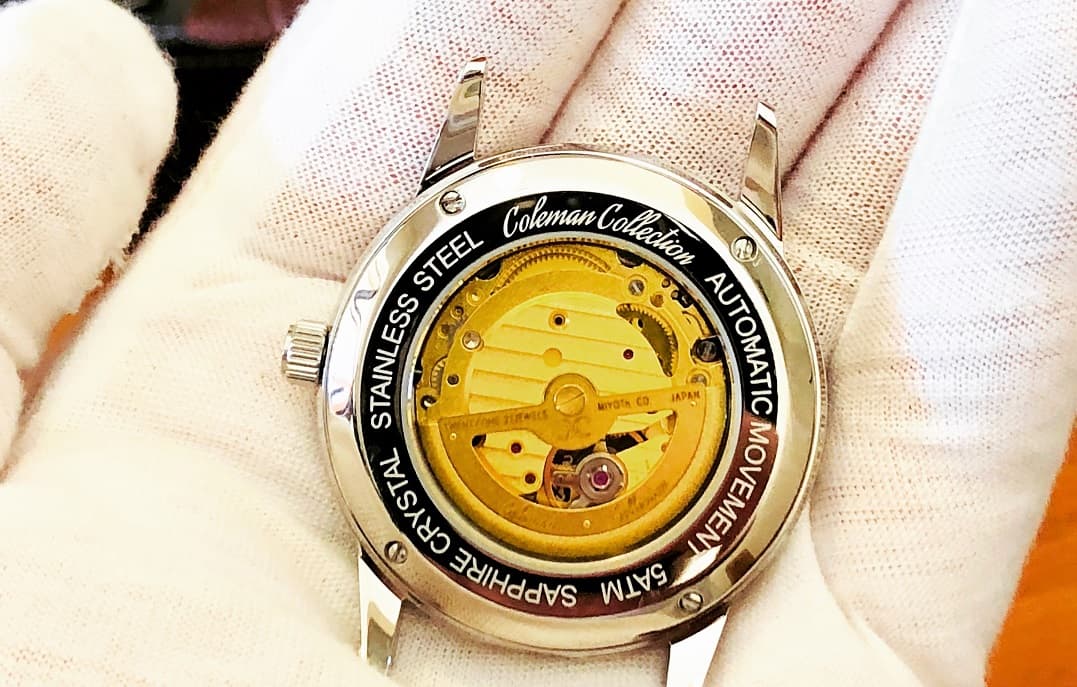
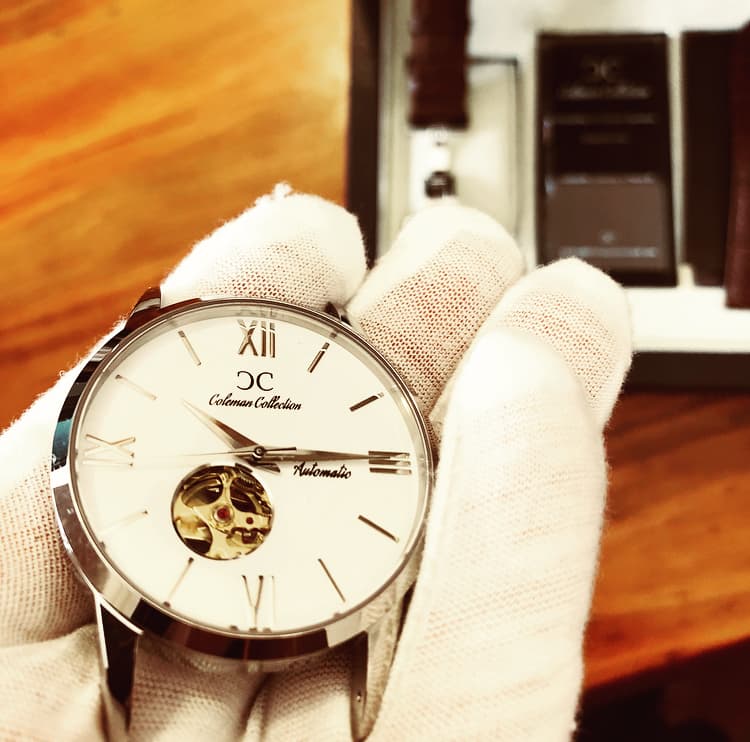
The Coleman Collection Sovereign was designed as a versatile daily watch — 40mm in diameter, automatic movement, open-heart dial, and 5 ATM water resistance. It's intentionally sized and styled to move between contexts without looking out of place.
The secret to versatility isn't the watch head (the case and dial). It's the strap. A single watch case can live three completely different lives depending on what's wrapped around your wrist.
The watch stays the same. The strap tells it where it's going.
Formal: Business and Black Tie
For formal settings — client meetings, presentations, weddings, evening events — the watch should complement, not compete with your attire.
Strap choice: Black leather. The Saddle Brown works with navy and charcoal suits, but black leather is universally safe. The texture should be smooth or lightly grained — avoid heavy stitching or perforated straps in formal settings.
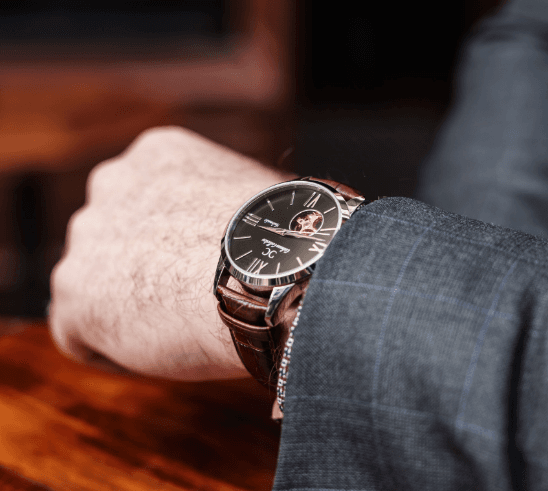
Fit: The watch should sit just above the wrist bone, snug enough that it doesn't slide around, loose enough that you can fit a finger underneath. In formal settings, the watch should peek out from your shirt cuff when you reach for something, not sit permanently on display.
The unwritten rule: In the most formal settings, there's an old-school maxim that "a gentleman doesn't look at his watch in company." Whether you follow this is your call. The point is that a formal watch should be subtle — a quiet signal, not a conversation piece.
Coleman Collection pairing: The Open-Heart Noir with black leather strap. The black dial against steel case creates a tonal elegance that complements dark suiting.
Business Casual: The Daily Uniform
This is where most watches spend most of their time — the office, meetings, lunch, the commute home.
Strap choice: Leather (black or brown) or steel bracelet. The steel bracelet is arguably the most versatile choice for daily wear — it matches everything, cleans easily, and has a presence that leather straps can't match.
Fit and positioning: Same principles as formal, but you have more latitude. Rolled shirtsleeves with a visible watch is not only acceptable — it's part of the look.
Coleman Collection pairing: The Sovereign in steel with the bracelet option, or the Open-Heart Blanc with Cognac Tan leather. The white dial brightens against most business casual wardrobes.
Weekend and Casual
This is where your watch gets to relax — and so do you.
Strap choice: Vulcanised rubber, steel bracelet, or a casual leather like Saddle Brown. The rubber strap is the most practical choice for active weekends — it's sweat-resistant, easy to clean, and gives the watch a sporty character.
What changes: The watch goes from being a discreet accent to a visible part of your outfit. T-shirt and jeans with a steel watch on the wrist is a classic combination. The watch provides structure to an otherwise relaxed outfit.
Coleman Collection pairing: Any Sovereign variant with the Vulcanised Rubber strap. The contrast between a polished steel case and matte rubber is visually striking.
Strap Pairings: A Quick Reference
| Occasion | Recommended Strap | Why |
|---|---|---|
| Black tie / formal | Black Leather | Understated, matches dark formal attire |
| Business meeting | Black or Saddle Brown Leather | Professional, matches shoe leather |
| Daily office wear | Steel Bracelet | Versatile, matches everything |
| Weekend casual | Vulcanised Rubber | Practical, sporty, easy to clean |
| Date night | Cognac Tan Leather | Warm, distinctive, conversation-worthy |
| Active / outdoor | Vulcanised Rubber | Water-resistant, durable, comfortable |
Size and Fit
The Coleman Collection Sovereign is 40mm in diameter — a deliberately chosen size that sits at the sweet spot for versatility.
How to check fit: The lugs (the protruding pieces where the strap attaches) should not extend past the edges of your wrist. If they overhang, the watch is too large. If there's a significant gap between the lug tips and the edges of your wrist, you might prefer a larger case.
Wrist size guide:
- Under 6.5 inches: 40mm is the upper end of ideal — it'll have presence without overwhelming
- 6.5 to 7.5 inches: 40mm is the sweet spot
- Over 7.5 inches: 40mm will look refined and dressy; 42mm would also work
The Details That Matter
- Keep the crystal clean. A fingerprint-smudged crystal undermines the entire look. A quick wipe with a microfibre cloth takes three seconds.
- Match metals when possible. Steel watch with silver belt buckle. Gold-tone watch with gold accessories. It's not a strict rule, but consistency in metals creates a polished impression.
- Don't double up. A watch on one wrist, a bracelet on the other at most. Stacking bracelets on the same wrist as your watch looks busy and can scratch the case.
The best watch styling is invisible — people notice that something looks right without being able to articulate why. That's the mark of someone who wears a watch with intention.
Frequently Asked Questions
Absolutely. A 40mm automatic watch with a clean dial — like the Coleman Collection Sovereign — transitions seamlessly between formal and casual settings. The key is the strap: swap a leather strap for a rubber or steel bracelet, and the same watch case works for both a boardroom presentation and a weekend coffee run.
For traditional business dress, match your strap to your shoe leather. Black leather strap with black shoes, brown leather with brown shoes. For a modern take, a steel bracelet works with any colour scheme and eliminates the matching question entirely. Avoid bright or sporty straps with formal tailoring.
For most wrists, a 38-42mm case diameter is the versatile sweet spot. The Coleman Collection Sovereign at 40mm hits the centre of this range — large enough to have presence without overwhelming the wrist. The watch should sit comfortably on top of the wrist bone, with the lugs not extending past the edges of your wrist.
Convention says to wear your watch on your non-dominant wrist — left wrist for right-handed people, right wrist for left-handed people. This protects the watch from impacts during your dominant hand's activities and makes it easier to adjust the crown. But ultimately, wear it wherever it's comfortable.